
What do you need?

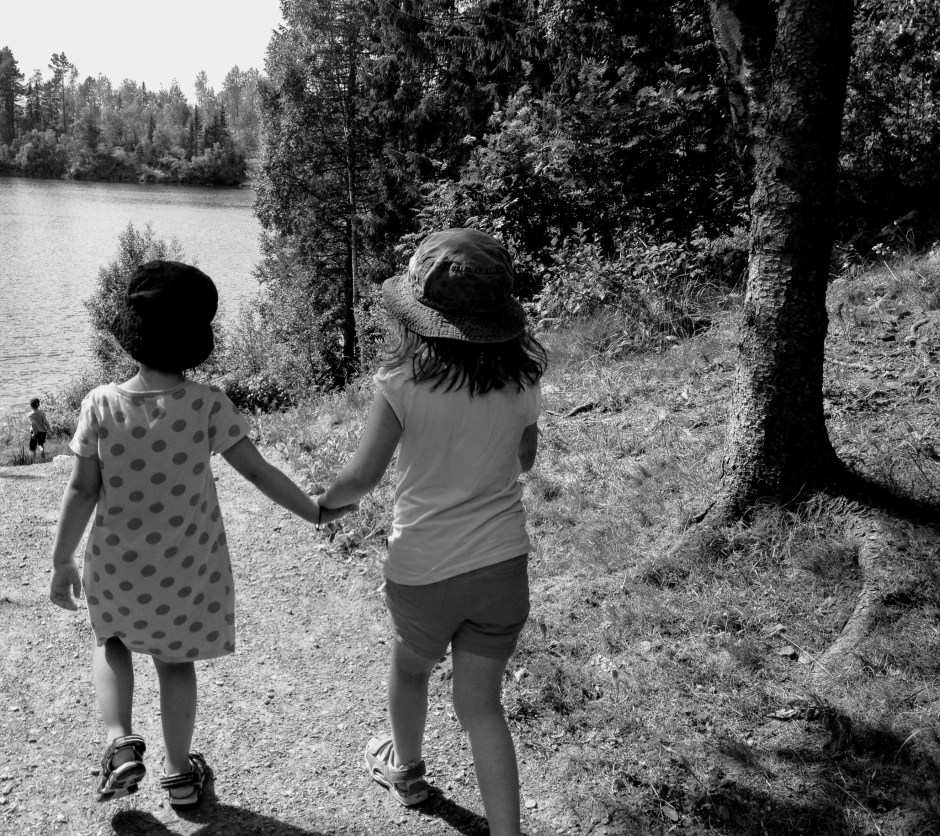
I went for an evening walk with my youngest who is now 13 years old. Together with her friends, she is going through changes, and with those changes seem to come challenges related to friendship. It is interesting to observe that their conflicts are not that different from what we could experience as adults, but with the lack of life experience, these conflicts feel much more dramatic than we might experience them after a few years of life (45, for example).

She started the conversation by telling me everything that frustrates her with her friends, and I tried to patiently listen asking sometimes if it wasn’t her own perspective. It is tricky to try to give advice, but here is what I told her that I think can help even ‘experienced’ adults when in conflict, especially with close friends and/or in a romantic relationship.

  1. Try to always remember that the other person, just like you, has more than enough with their own insecurities, inner struggles, and feeling of lack, so, whatever they do, is 8% about you and 90% about their inner life. So, if a friend suddenly acts cold, ‘ditches’ you for another friend, or doesn’t want to do something you used to do together, before assuming it is about or against you, talk about it. Try to not talk when you are upset. Wait until things are calm and ask. AND, even when it is about you, it is often a matter of perspective. If, however, the other person tells you there is something you have done that has hurt them, be open to reflect and consider saying sorry and avoiding doing the same again.
  2. Avoid talking with your friend by listing what is ‘wrong’ with them, or what they do ‘wrong’ (Very difficult!) Focus rather on expressing how you feel (or felt) in a given situation and wait for a response. Listen with an open heart. Most of the time, the intention behind the action is not to hurt. But when it is, try to find solutions together. I know, this one is difficult for a teenager, but at least expressing how they felt is better than ‘attacking’ the friend.
  3. Say clearly what you need. Write a short list of what you think you need from your friend to feel valued, safe, and included. Try to be as concrete as possible describing actual actions your friend can take.
  4. Listen to what your friend has to say. Consider their point of view.
  5. Consider accepting some of the sides that you see as challenging for the sake of those you value/like. Write a list of the pros and cons of your friendship with this person and decide if you want to continue investing time in it.

As I have been hearing since I started studying Yoga, when we move the focus inwards, when we are aware of how we perceive things, what we need vs what we think we need, and what we can give, it often is easier to communicate with others. It sometimes brings you to a better space in a relationship (although it might take time), and it sometimes might mean you need to let that person go, but at least you don’t feel like you are constantly banging your head on the wall.
A fight with my husband and a burnt bread

Each Summer, I spend quite a lot of time reflecting about the school year. I reflect about my role as a teacher, but also about my general mental and emotional state because there is a connection. If I am mentally and emotionally in balance, I am able to make better decisions both at work and at home.

This summer, I decided I needed to create better routines for myself when it comes to work and home. I realised that since I became a contact teacher, I felt a big responsibility to deal with student related issues and spent often what I see as family time answering emails, writing reports, worrying about my students or catching up with lesson planning. It wasn’t until about a week after the summer break started that I noticed how stressed and tired I had been.

I want my students to thrive, and I would love to be able to help each and every one of them to develop to their own potential, but I need to remember that I am not a superhero, and that nobody is expecting me to be one. Being a good teacher is to act within the framework that I am given with clear intentions, and with support and in collaboration with parents, the school and support systems when necessary. Not all the responsibility lies on my shoulders.

With these reflections in mind, I decided I was going to find a better balance between work and home. I had made myself a mental schedule for school work.

Then, the school year started. I don’t know how I manage, but every year is the same. Every year, I seem to forget how crazy the first weeks of school are. No matter what I do when I finish the school year, I will always end up feeling that I am drowning in ‘to-do’ lists the first weeks of school.

This year was no exception, and you might have already guessed, as the tasks started to pile up and my days gathered momentum, I forgot my resolutions from the summer to balance work and family better, to avoid stressing, to prioritise better.

Half way through my first week at work, one day, I managed to squeeze too many things into my schedule. After a busy day at school, I came home to a busy evening at home. I had promised my youngest to take her somewhere, at the same time as I wanted to bake bread, wash clothes and tidy up the house. With the extra energy saved during the summer, I felt I could manage. And I did… partly. The problem is that the more I multitask, the more hyper I become, the less patient I am, the more things can go wrong. That day culminated with me losing my patience with my husband and (surprisingly) my husband losing patient with me and we had a huge fight. It was a big shock for me, our kids and for my husband as we almost never yell at each other.

Reflecting about it, I came to the conclusion that the reason why I lost my patience was that I had turned into a human tornado that day. I started the day doing one thing at a time, but as my day advanced, I kept seeing things that needed to be done ‘immediately’. So I kept doing, and doing, and doing, and at some point I was tired but I just couldn’t stop. When this happens, I start resenting my husband because he seems oblivious of what ‘needs to be done’, and I keep hoarding things to do until one little thing goes ‘wrong’ and the whole situation explodes in our faces.

The solution: do less. Leave some work for tomorrow. Sit down. Take a breath. Why do I keep forgetting this simple solutions?

I finished my week with these reflections. All good. Until yesterday.

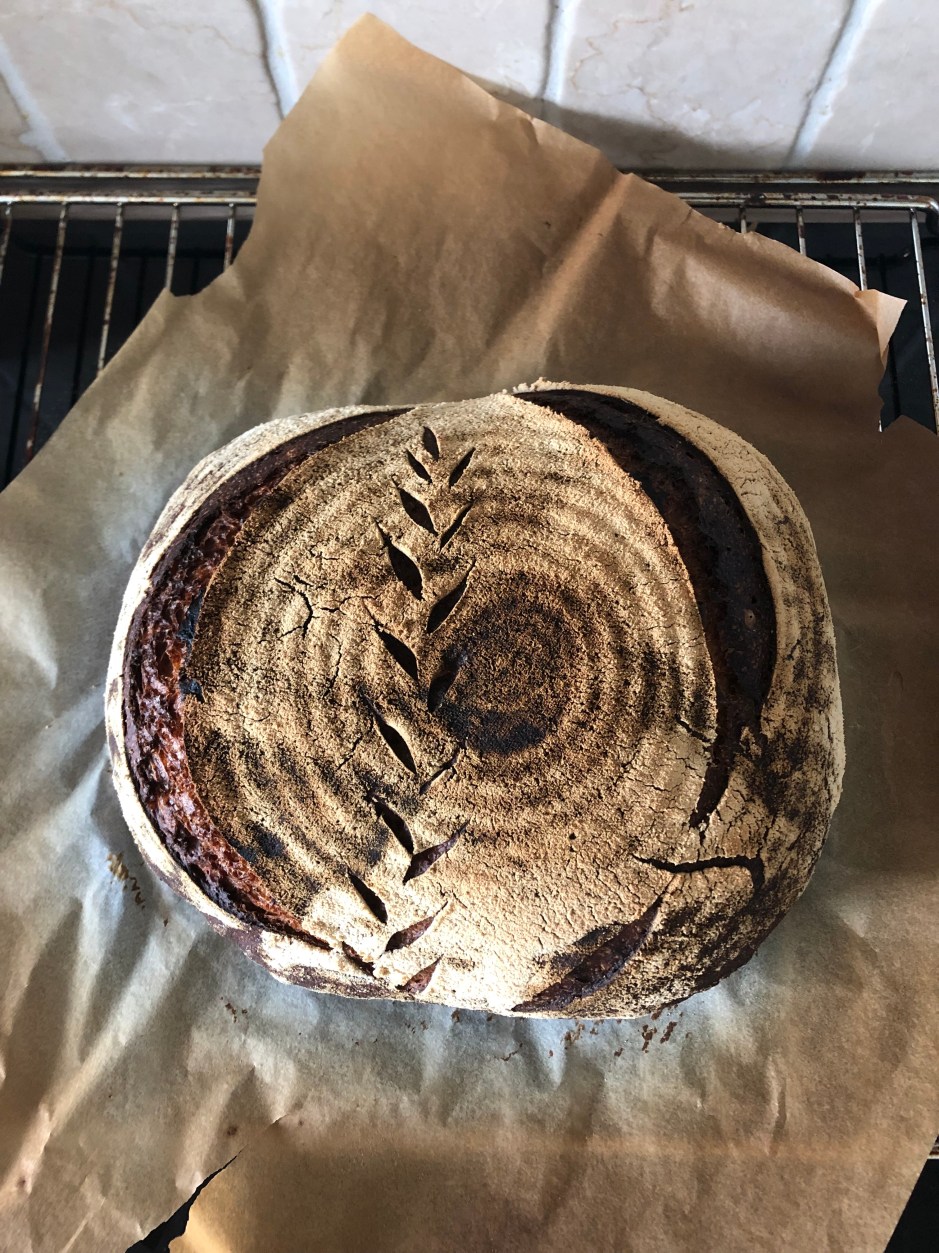
New week, new pile of things to do. New possibilities for me to create chaos (he he). Yesterday, I forgot again my resolution to not work during ‘family hours’, lost track of time, and managed to forget a loaf of bread I had carefully prepared the day before for almost two hours in the oven. I was so disappointed and frustrated! Baking with sourdough is a long process, and I ruined it because I was multitasking again and even worse, I had not stick to my promise to take a break from work during the evening. But I had to laugh too. Such a good reminder.

My husband has forgiven me for yelling and thinks a bread with a ‘well done’ crust is delicious. I am lucky. I have gained some perspective. I know that stress is a choice. It seems like it’s not, but it really is. I will work on not choosing stress in the future.