Spring reflections

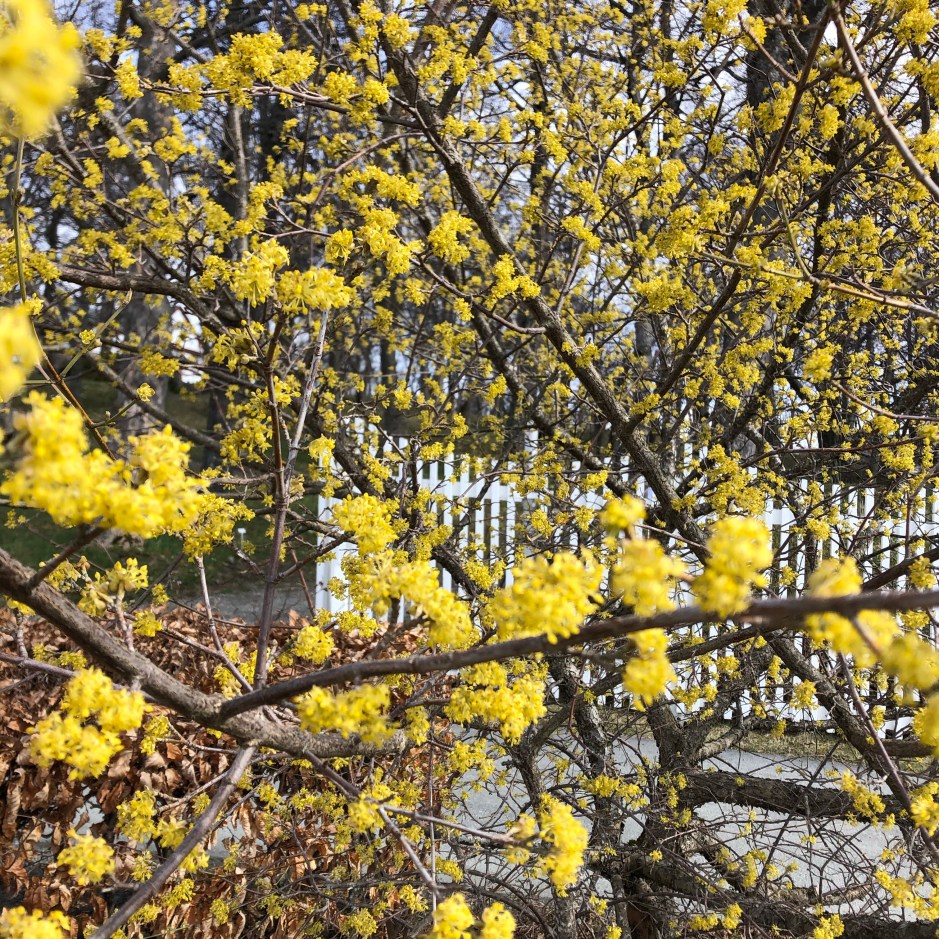
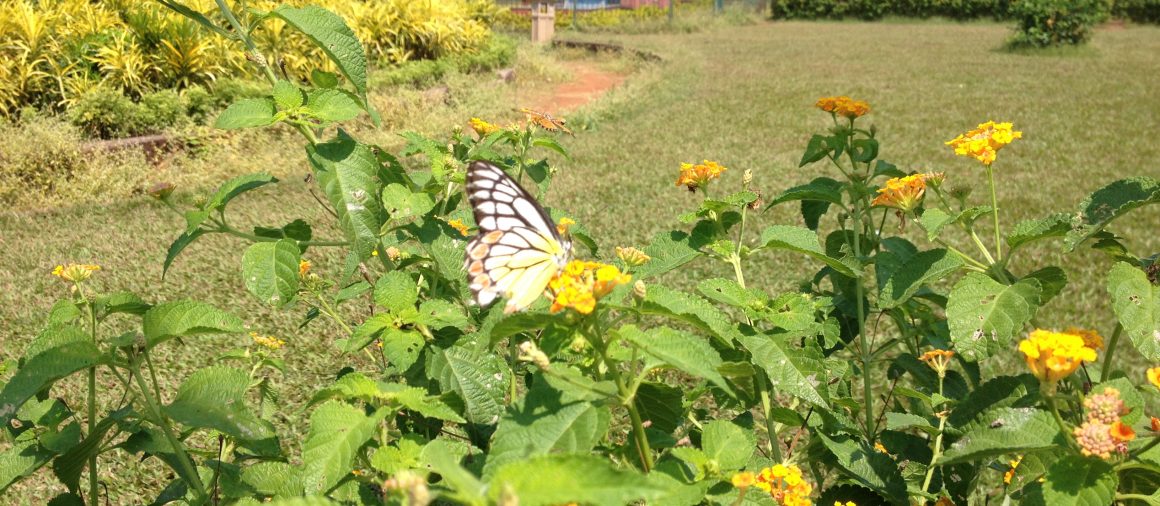
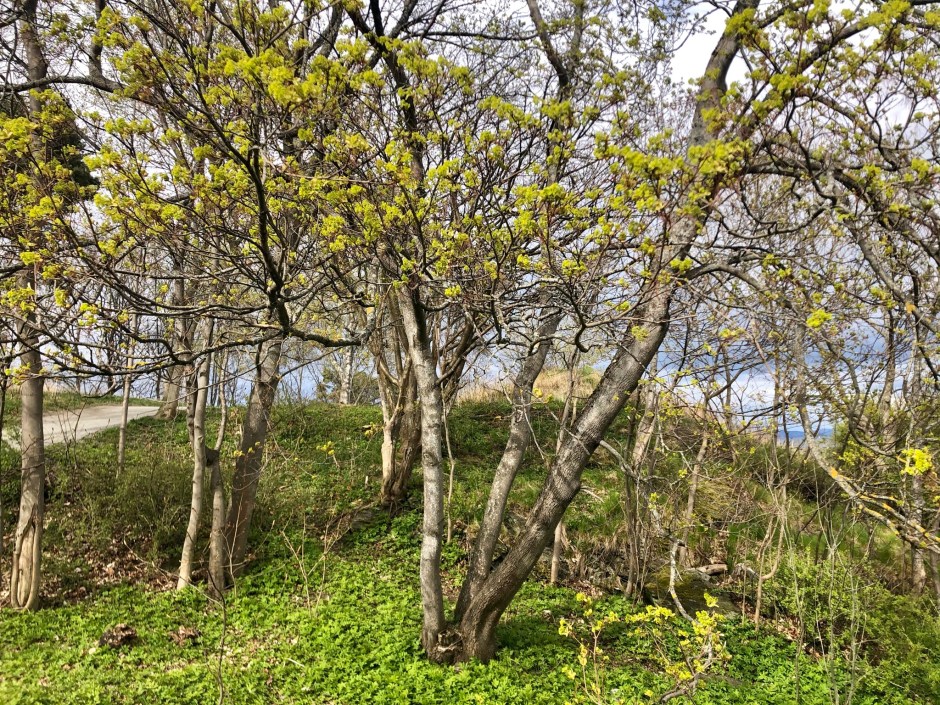
The Spring is here and with it comes the awe of nature waking up to life after a long Winter. I enjoy observing how days are getting longer and longer, feeling the warmth of the sun, the birdsongs, and seeing plants and trees growing leaves and flowers.

Spring always brings me so much joy, but the start of the season is always challenging for me. I don’t know why, but I often feel tired physically, mentally and emotionally, and it takes a lot of inner work to get myself through it without allowing this tiredness to push me into a negative space. It has taken me some years to understand this pattern and even more importantly, to accept it.

My theory is that I spend so much energy keeping up with life during the dark and cold Winter, that when the Spring comes, my body is exhausted. I tried this Winter to follow better the rhythm of the daylight and allow myself to rest more and do more indoor activities that inevitably require less energy such as sewing, knitting, reading, playing board games with my kids and watching movies. Still, the tiredness of the Spring did come along.

Spring is also a quite busy period for me. As a teacher, May is an intense month with many holidays sprinkled throughout the month, and although I do appreciate the breathing pause they bring, they also interrupt the rhythm of school life in what I see as one of the most critical periods of the school year as we should be wrapping up, doing our last assessments to start writing report cards, write the end-of-the-school-year student reports, and prepare for next school year. In addition, all clubs my kids are part of, want to mark the end of the school year with celebrations, and on top of all that we have the Norwegian national day and all the expectations around it. Fighting all this, my desire to be outdoors and enjoy the better weather.

So, even though the light and the milder weather call me to be more active, I am trying this year to work with my expectations and what my different roles require from me. Not an easy task, but I keep learning:

  1. Prioritise: I can’t have a hundred items on top of my priority list. Remind myself of what is important for me and make my list accordingly.
  2. Put some things aside both practically and mentally. I can’t do everything right now. Some things will have to wait. This is very connected to nr1.
  3. Keep my sadhana rock steady. At least twenty minutes of sitting in silence preferably preceded of some yoga asana.
  4. Say no when needed. This one is very though because I don’t want so seem rude nor disappoint anyone, but it is also very necessary.
  5. Good enough is good enough.
  6. Give myself time and space to feel tired, confused and frustrated but do not feed into the emotions. Time and space will always allows me to get some perspective and find a way to get through situations.
  7. Make choices based on what I know and the resources I have with clear intentions and trust that whatever happens will be for the best. I must confess that making choices is one of the most energy-draining activities for me, but I am learning to follow this little formula. Trust is an important ingredient to not spend too much energy on them.
  8. REST. Go to bed early, listen to my body and mind and take a break during the day when I need it. I often eat lunch with my students or in meetings, but when I can, I take a half hour break during my work day and go for a walk in the park, literally. Walking in nature always recenter me. When I get home, if my kids are at their respective activities or with their friends, I take a coffee break to rest my mind and body.
  9. Move outdoors. I have as a goal to walk at least 7km a day, some days I walk more, some days slightly less. The key is in using my legs as my means of transportation. I walk or ride my bike to and from work and to whatever errands I have during the day.
About habits and breaking them

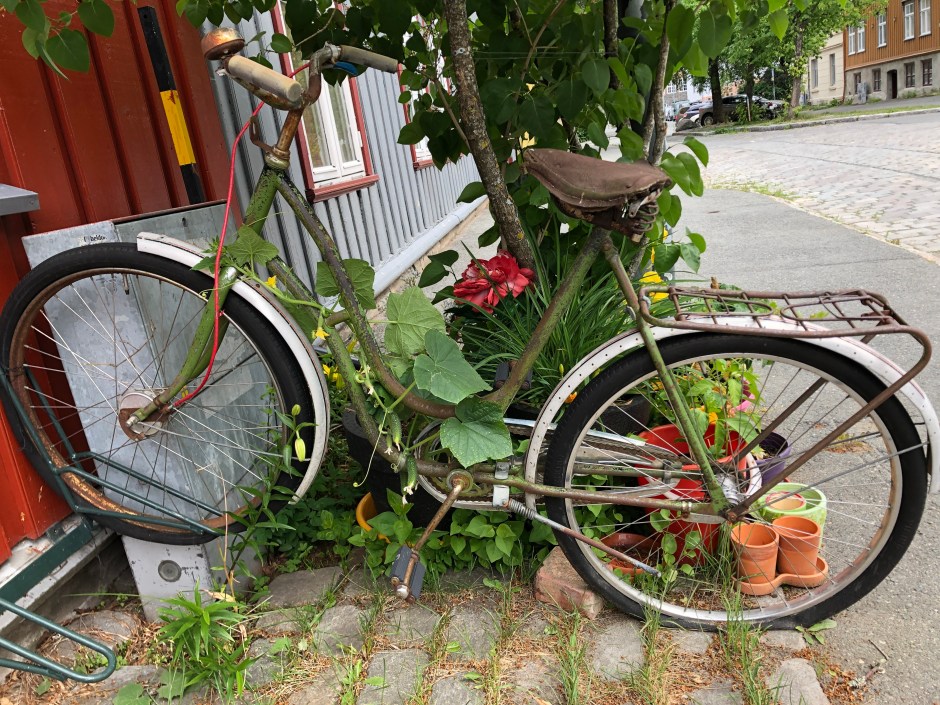
I used to drive to work, but almost a year ago, we had to let go of our car and decided not to buy a new one. I started the school semester riding my bike to work.

I soon discovered that I love to ride my bike. It gives me a feeling of freedom, at the same time as it helps me wake up before my day and get some exercise and fresh air after my work day. I have even bought tires with spikes for the Winter.

Some weeks ago, I had to walk instead of riding my bike. Just for some days, I thought but I soon remembered how much I love walking, especially during the Spring. I listen to an audiobook or a podcast or I simply use the time to either get mentally ready for the day or digest and let go of my work day before reaching home. So for four or more weeks, I have resisted to the idea of riding my bike again.

Today, I was running late for work, so with a bit of regret for not having been more efficient in the morning, I decided to ride my bike. It didn’t take long before I felt again the happiness and freedom it gives me. On my way back home, I started thinking about how I couldn’t understand why I had stopped riding my bike in the first place. I had to laugh a bit when I realised this thought.

When I walk, I don’t want to go back to riding my bike, when I ride my bike, I don’t understand why I had stopped biking in the first place.

I think this is a very simple example of how my mind creates habits, and how difficult they can be to break. It isn’t really a very big deal whether I walk or ride my bike, but it certainly reflects my fondness for habits. Habits can be good, they can help us develop discipline and have a healthy routine, but habits can also create stress and distress, either because they are born without us being aware of them or because we get attached to them.

The first happens, I think, when we forget to stop and ask ourselves ‘why’. Why do I do this? Why do I do it like this? It often happens when we come into new situations without a clear idea of what we want or what our role is, or as a consequence of our fast paced life. I think someone said thoughts become actions and actions become habits. It doesn’t take much before we create new habits.

Habits can create distress when circumstances push us to change them and we resist to this change. Few people like change, but luckily most of us are able to see the new possibilities after the first discomfort has passed.

This little bike vs walk story has reminded me to mind my habits. Take a look at what I do and why I do it. Can I work towards letting go of some? Can I change some? Can I create new ones?

I have one that I have been having the intention to create, but keep forgetting: talk less. 😀

This week’s mantra

Sunday evening I often try to spend some time to mentally go through the next week. What can be challenging? How do I want to deal with possible challenges? What attitude do I want to keep?

In the rush of the day, I often forget the conversation I have with myself Sunday evening, so I have to keep reminding myself during my sadhana or before bedtime.

This week, I want to keep verse 10 from Ch6 in the Gita in mind:

“To attain this godly state, Arjuna, you must become fully immersed in the True Self through the process called meditation (dhyana yoga). You have to control your mind, body, and senses and become free of possessions, expectations, desires, and greed. You must live alone, at least internally, in a quiet place. This inner discipline called meditation is imperative because it is the means for achieving lofty and necessary ends.”

I made myself a little mantra ‘I am free from possessions, expectations, desire and greed’.

I like the idea of living ‘alone, at least internally’. In my interpretation, it means to find contentment and peace internally, to stay centered and let the world be what it needs to be and flow with it.

New week, here we go.

Back pain, mental pain and Yoga

I love cross country skiing, and I feel the season here i Trondheim was shorter this year. Therefore, I was very excited to see on Saturday morning that it was snowing. I booked a car (we are part of a car collective), and I agreed with my husband that I would go for a trip on my own. I wanted to be as early as possible to make sure I was in the forest before too many people had the same idea as I had.

I was so early that there were no prepared tracks yet, and it was snowing so much that it was a bit challenging to actually ski, but I didn’t mind, I love it when it snows like that, and I was outdoors, on my own.

At some point, I got a bit lost, and I wasn’t sure where I was, but I just kept going knowing that I would find a sign somewhere some time. I had been going mainly uphill, so when I saw the first downhill, I was happy and relieved thinking that I must have been going back somehow.

The snow was heavy and sticky, and my skis weren’t gliding much and at a turn, I lost balance and fell on my knees. Nothing dramatic, just a little fall. But when I stood up again, I felt it. A sharp pain on my lower back. Good old lower back pain that takes the breath out of me. It’s been a while since last time, but I recognise it very well.

I couldn’t call myself a yoga practitioner if I didn’t use the tools I have learned for this kind of situations, so I tried to calm my mind that was going all over the place with ‘where am I?’, ‘how am I going to get to the car?’, ‘I’m completely alone here’, ‘it’s so painful’, and so on. I took some deep breaths, tried to straighten myself up, and attempted to continue and see what happens. I soon decided to take off the skis and walk down the hill. I took out my phone, found the right app, and to my great relief, I found out I wasn’t far from where I had parked my car. Somehow, I had made some sort of loop.

I was, of course, slightly disappointed with my trip and the back pain, but I was glad I was able to walk back. What is more, I know this old friend of mine, the back pain, it comes unexpectedly, it gives quite a lot of trouble, but it ends up leaving at some point.

The practice of Yoga asana has allowed me throughout the years to get to know my body better, and when an injury like this one happens, I know most of the time what I need to do for a speedy recovery. What is maybe more important is that since I know I suffer from lower back pain, my daily practice is focused on keeping my core muscles, my glutes and my legs strong and flexible.

So I drove home and did what I usually do, a combination of relaxing, going for walks and doing soft movements and some gentle stretches to release tension in the muscles that tend to contract when I hurt my back.

After a couple of days, I was much much better, and that is when I remembered that maybe two or three years ago, when I already had a quite steady yoga asana practice, I hurt my lower back just like last week, and I was devastated. I couldn’t understand how I could be in pain again when I practice asana every day and am very cautions of what I do to avoid getting hurt. The funny part, is that I have experienced the same when it comes to everyday life. I know my triggers, I know my mental and emotional weaknesses, and every time I would end up in an emotional situation, I would be so disappointed feeling that ‘I haven’t learned anything!’ To this, my yoga teacher has always said the same: develop patience.

So I have been reflecting about how, the practice of yoga as a holistic approach, does not necessarily prevents me from getting into situations where old patterns of thought and behaviour arise, where I feel bad about myself, or hurt, but I come out of such states of mind faster. Just like with my lower back pain. I am more capable of bearing the pain, observe the pain, and do what I need to do to get through it without making a bigger mess, without creating more mental and emotional distress for myself.

That is life, isn’t it? Keep walking, enjoy the highs and bear the lows with as much calmness as possible to not spend precious energy on making things worse for ourselves… I love what Yoga is bringing to my life.