The magic of self-work!

As a Yoga practitioner, I am a strong believer in the power of meditation as a wholistic approach to life. Through the practice of meditation, I have learned the power of my mind. It is through my mind that I live my life, and it is through the practice of meditation that I can gradually train myself to calm my mind, create space between my thoughts and my actions, and change my perspectives or at least accept that they are just one way of seeing things.

I am learning the power of living life ‘inside out’ as my teacher calls it. I have learned to observe myself in all situations, especially in those that bring stress and distress and ask myself, ‘what can I change in my mind to better deal with this?’ So, every once in a while, reflecting about situations in which I experience stress, I set myself a goal on how I can change the situation by changing my perspective, my attitude or my behaviour.

For a while I have been thinking that if we all were willing to work with ourselves, it would be easier to interact with each other, we would take better care of each other, our environment and all living beings.

This week, during one of my meditation sessions, one of my students shared that she had set herself the goal of being less judgemental of her boss at work. In the past, she had experienced ending up in conflict with her boss, often because she had a negative opinion on certain things her boss did or said. She decided to put her effort in her work and not waste her energy in things out of her control. I asked her how this strategy is working so far, and she said that she had noticed a change of attitude in her boss too, and that they have had some good conversations. Once, her boss answered back in a harsh way and apologised shortly after without it escalating into a conflict.

I couldn’t help but wonder if my student’s boss also had the purpose of changing some attitudes and behaviours towards my student (and maybe all the employees). I really liked this idea. Imagine if we all were constantly reflecting about how we interact with the world around us, and when we notice room for improvement, instead of pointing our fingers at others, we decide to start with our own attitudes.

The only way out is through

Over the years, I have come to realise that I dislike emotional pain so much that I try to avoid it as much as I can, often in very stupid ways.

I sometimes ‘predict’ how a situation is going to make me feel so I either go around dreading the moment it is going to happen (which like with most predictions, never happens), or I do something impulsive to avoid the pain making an unnecessary mess.

The source of my distress is in some cases insecurity and fear of being judged or rejected. It comes from my attachment to an image of myself I want so badly to keep and people to have of me. I know what I stand for, I believe it comes from a good space, but I’m afraid of the conflict different opinions can create.

In other cases, the source is the unwillingness to face things as they are because I wish they were different. So I avoid the situation or go ahead and blame. It is funny how we believe blaming helps, but it really doesn’t make us feel better.

Expectations are also a problem. The mind game of expectations is quite refined in my case. I don’t like the gap between what I expect and how things turn out, so I either avoid or expect the worse (haha). So I show up already with a bad attitude, when in reality I don’t know what is going on I happen.

Some weeks ago, I decided to be courageous and:

  1. Stop predicting (duh!)
  2. When in a situation that I perceive as emotionally painful, take a deep breath and just observe the pain. Not run away, not act impulsively.
  3. Understand that the so-called pain comes from the gap between what I expect and what is really happening.

So far, I can say that it is helping. I believe that, the less resistance I make to myself and what is happening around me, the less I struggle.

It sometimes feels liberating, it sometimes sucks big time because I have to face what I don’t want to face.

This said, I believe that I gain a bit more understanding of how my mind works, and it allows me to move a bit up and further…

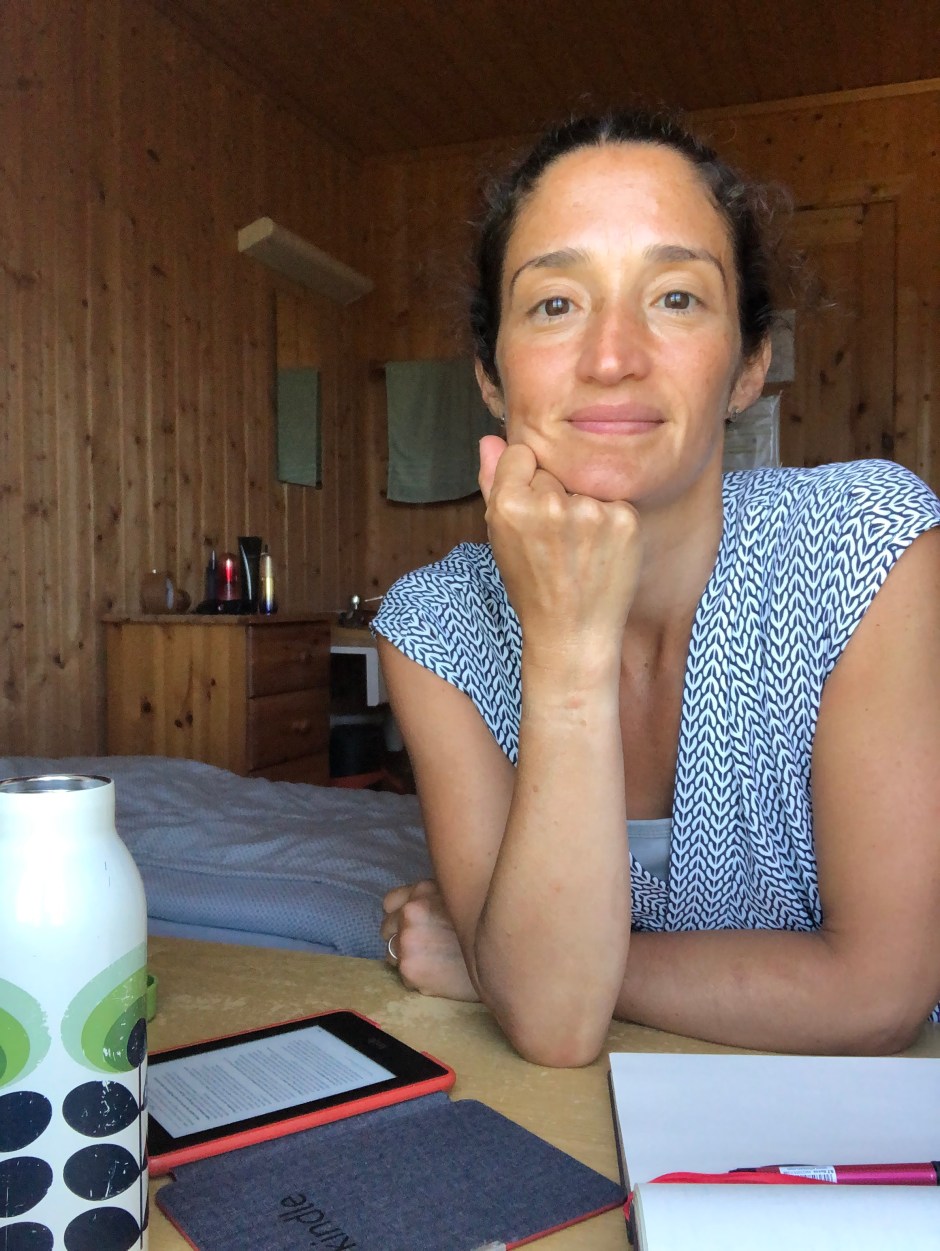
Be quiet and reset

My Yoga teacher, Prasad, has taught me the importance of cultivating silence.
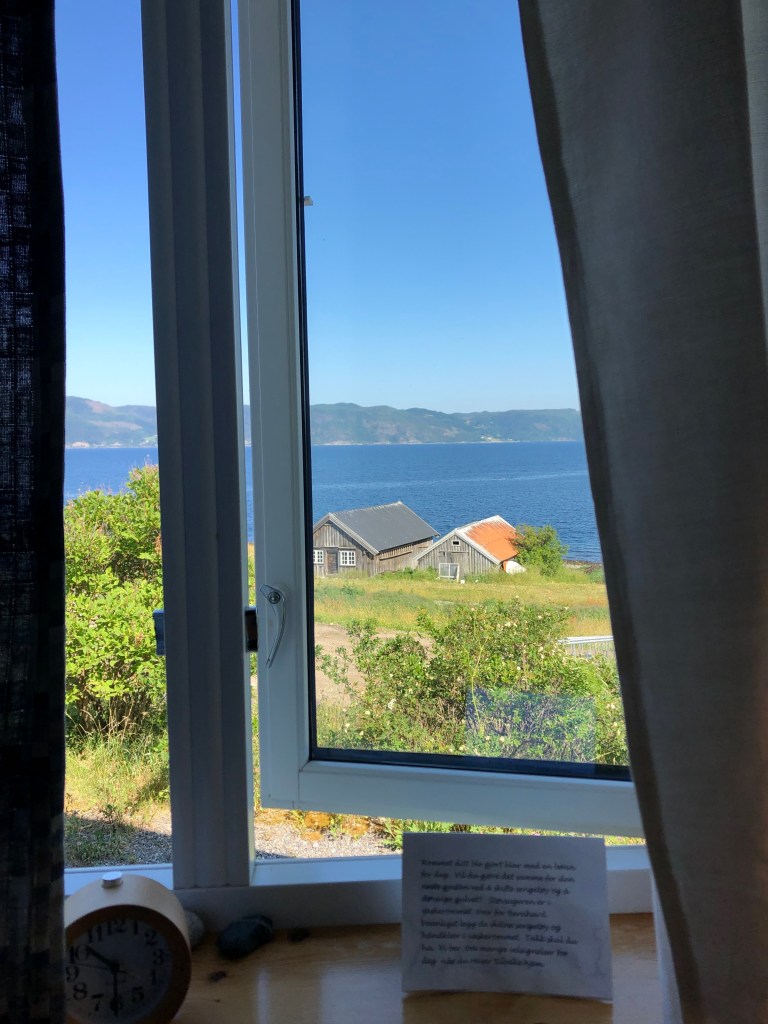
At least twice I year, I have created the habit of retiring to the guest house in Mariakloster in Tautra. I am so lucky to have such a place so near Trondheim!
When I am silent, I automatically slow down. When I slow down, I am able to observe my thoughts better and let go of the broken record of rumination, worries, regrets, and attachments. It is often after a period of silence that I move from thinking to reflecting, and that is very helpful.

Sometimes, I experience clarity, sometimes the only experience is the experience of being alone, in silence, in a slow tempo with myself for some days.

This time, I bring back from my retreat two things:
1) A quote from Mother Teresa: “Not all of us can do great things, but we can do small things with great love.” A reminder of the importance of putting our heart in everything we do. A reminder of the importance of accepting and embracing what we are put to do in this life. A reminder to not compare ourselves with others and stop blindingly chasing the bigger, faster greater.
2) Thankfulness for having Prasad as my guide. May I remember to be as patient, loving, and compassionate with my students, yoga students, and my own children as he is with me.

About discomfort

Thursday this week, I woke up to the exact same symptoms from two weeks ago. It was frustrating and slightly frightening after feeling quite okay for almost a week. It was a holiday, so all I could do was rest…again. Friday, I woke up feeling pretty much the same, so I decided to call the doctor. To my big disappointment and frustration, I was told that he had taken the long weekend off and that I could call back on Monday if I still felt unwell. This is typically Norway, I thought. You need to be dying for health workers to take you seriously.

After a wave of self-pity, I asked myself, are you seriously ill? Do you need to go to the hospital? Or is it just that it is very unpleasant? According to what my doctor told me two weeks ago, I am most probably suffering of something called vertigo, which is not life threatening. I went online and read about it, again, and the general advice is a good dose of rest and physical activity.

So I went back to bed. While lying in bed, I began to reflect about my ‘condition’. I felt exactly like two weeks ago. It was unpleasant, very unpleasant I have to say, but it wasn’t life threatening. I hadn’t fainted, I didn’t have a fever, I hadn’t gotten worse. I asked myself, what are you afraid of? The discomfort or is it fear of something else? It was just the discomfort the dizziness and nausea that was stopping me from getting out of bed. After resting for a while, I decided to get up, roll out my yoga mat, and try some soft movements paying attention to my breath and pausing long enough to feel how my body was responding. I ended up doing about an hour of soft yoga asana and breathing exercises, and then lied down to rest.

This encouraged me to try going for a walk later the same day. I asked two of my kids to ‘take me for a walk’ and off we went. I wonder if the people we met on our little stroll worried my kids were walking with a drunk woman because I couldn’t keep my walk very steady, but we made it. Half way through our walk, my son asked me, what happens if you stop focusing on the feeling of dizziness and rather focus on what you like so much in nature? Wise words. I tried, but it was very difficult, so I just tried to focus on our conversation and my breath.

I could go on and on on how I gradually and gently pushed myself out of bed and pretty much my comfort zone throughout the day and today, but my point here is actually how important it is to face what is unpleasant, what we don’t like. In this case, I know that what I have is not a serious illness, so it is ok to push my mind and my body to feel better. It was actually recommended to try to do some exercise.

How about other situations in life? I must confess that I try as hard as I can to stay away from unpleasant situations. I don’t like conflict. I don’t like what I see as my challenging emotions. So what do I do? I often try to avoid unpleasant situations, and push my challenging emotions away. Does it help? Well, sometimes for a short period of time, but they do come back. I need to learn to be with what is without necessarily wanting to fix it or push it away. Unpleasant situations can sometimes lead to growth, to a better understanding, or to a breakthrough. My challenging emotions are a reflection of my own perceptions and an invitation to create inner clarity. I need to ask myself if what I feel is really so important for me that need to go through the unpleasant moment to try to do something about what triggered the emotion in the first place, or if I can change my perception and let go of the emotion.

I have now learned that these episodes of severe vertigo don’t last that long, and that I can deal with them quite ok. I will go back to my doctor if they don’t disappear in some weeks, but at least they have given me the opportunity to 1) be thankful for my daily yoga asana practice that is teaching me to trust in my body and use my breath to get through unpleasant moments 2) reflect on how fast I tend to reject discomfort 3) keep adjusting the balance between activity and rest…

17 years and counting

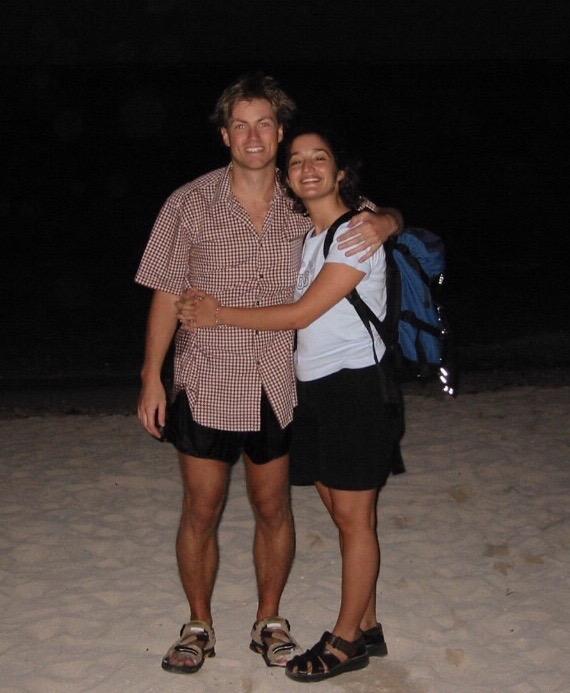
Today, is our wedding anniversary. Seventeen years.

What is extraordinary about our relationship? Nothing, I would argue. Like in any marriage, we have had our good times and our bad times. There had been times where we have really considered going each our way.

Why haven’t we done so? Are we better than other couples that decide to split? Of course the answer is no. Ask anyone what marriage is about, and you will get thousands of different answers. I think that explains why some of us stay together no matter what and others make the choice to part.

At one of the most challenging moments in our relationship though, I came to realise that I didn’t have a clue of who I was and what I wanted in life, and this made me doubt if leaving my husband would make me feel better. Splitting our family in two, sending kids back and forward every other week as it is the common solution here seemed too drastic when I didn’t really know what I wanted. My husband has always given me enough space to be, so I knew that if I stayed with him, I could still be able to start working on myself.

My husband is a very open-minded man that sees the human in me (not just ‘the wife’, ‘the possession’) and was able to show compassion and understanding regardless of my hurting behaviour. Maybe he recognised his own confusion in my confusion? We were able to see the good in our relationship beyond the difficult and painful, and we decided to continue walking together.

So here we are, seventeen years and counting, trying to make some sense of who we are as individuals and at the same time living a common life with quite big responsibilities like any other couple with children. We both work hard on ourselves, we both do our best with what we have. There are no guarantees though. We never know what the future may bring, and I keep reminding myself that this is part of living in this world. Experience what life brings in order to learn and grow but be ready to let go when required.

I am thankful for these seventeen years together. I am thankful for the gift of being able to parent our children together. I am thankful for his generous heart, patience and sense of humour (even though I keep pretending I don’t like his jokes). I am thankful for the space he gives me to be, to explore, to try and fail and try again in many different areas. But maybe above all, I am thankful for the opportunity marriage has given me to observe myself and discover my limiting attitudes and beliefs about myself and those around me in order to at least try to become a better version of myself.